California Cycling and E-bike Law FAQ
10 questions about riding in California: the e-bike rules, the roads and trails worth the trip, the season, and the events.
Questions and answers
What are the e-bike laws in California?
California runs the three-class system it invented in 2015, with a 750-watt cap and, since January 1, 2026, UL-certified batteries on every new e-bike sold, both from California SB 1271. A compliant Class 1, Class 2, or Class 3 e-bike needs no driver license, registration, or insurance (CVC 24016). The next change is dated: from January 1, 2027, California SB 1167, California AB 2346, and California AB 2595 regulate what can be labeled, advertised, and sold as an e-bike.
What changes for California e-bikes on January 1, 2027?
Three bills signed September 30, 2026 take effect. California SB 1167 bars anything faster than 20 mph on throttle or 28 mph on pedal assist, or above 750 watts, from being advertised, labeled, or sold as an e-bike, and puts a frame label with class, top speed, and wattage on every e-bike. California AB 2346 requires a written point-of-sale disclosure of class, speed, wattage, and the age and helmet rules, lets local authorities post 10, 15, or 20 mph limits on bike paths, sets a 10 mph sidewalk limit, and from January 1, 2029 requires a speedometer on new Class 2 e-bikes and integrated lights on every new e-bike. California AB 2595 lets San Mateo County bar riders under 12 from Class 1 and Class 2.
Who has to wear a helmet on an e-bike in California?
Riders under 18 wear a helmet on every class (CVC 21212), and Class 3 operators and passengers wear one at any age (CVC 21213). Adults on Class 1 and Class 2 ride without a state mandate. Nobody under 16 may operate a Class 3, and local pilots in San Diego and Marin counties can add age rules through January 1, 2029.
Are bike paths open to Class 1, Class 2, and Class 3 e-bikes in California?
All three classes are allowed on bike paths statewide, a default California AB 1909 set: Class 1 at pedal assist to 20 mph, Class 2 with throttle to 20 mph, and Class 3 at pedal assist to 28 mph. Local authorities may still close equestrian, hiking, or recreational trails by ordinance (CVC 21207.5), State Parks may exclude a class on a given trail, and pedal-less e-motos have been off-highway vehicles since January 1, 2026 under California SB 586.
What is the 3-foot passing law in California?
The Three Feet for Safety Act (CVC 21760, since September 16, 2014) requires a driver to leave at least 3 feet when passing a cyclist or to slow down and wait for a safe gap. Cyclists must ride as far right as practicable with the usual exceptions (CVC 21202), use a bike lane where one exists (CVC 21208), and may not wear earbuds in both ears (CVC 27400).
What is the best coastal ride in California?
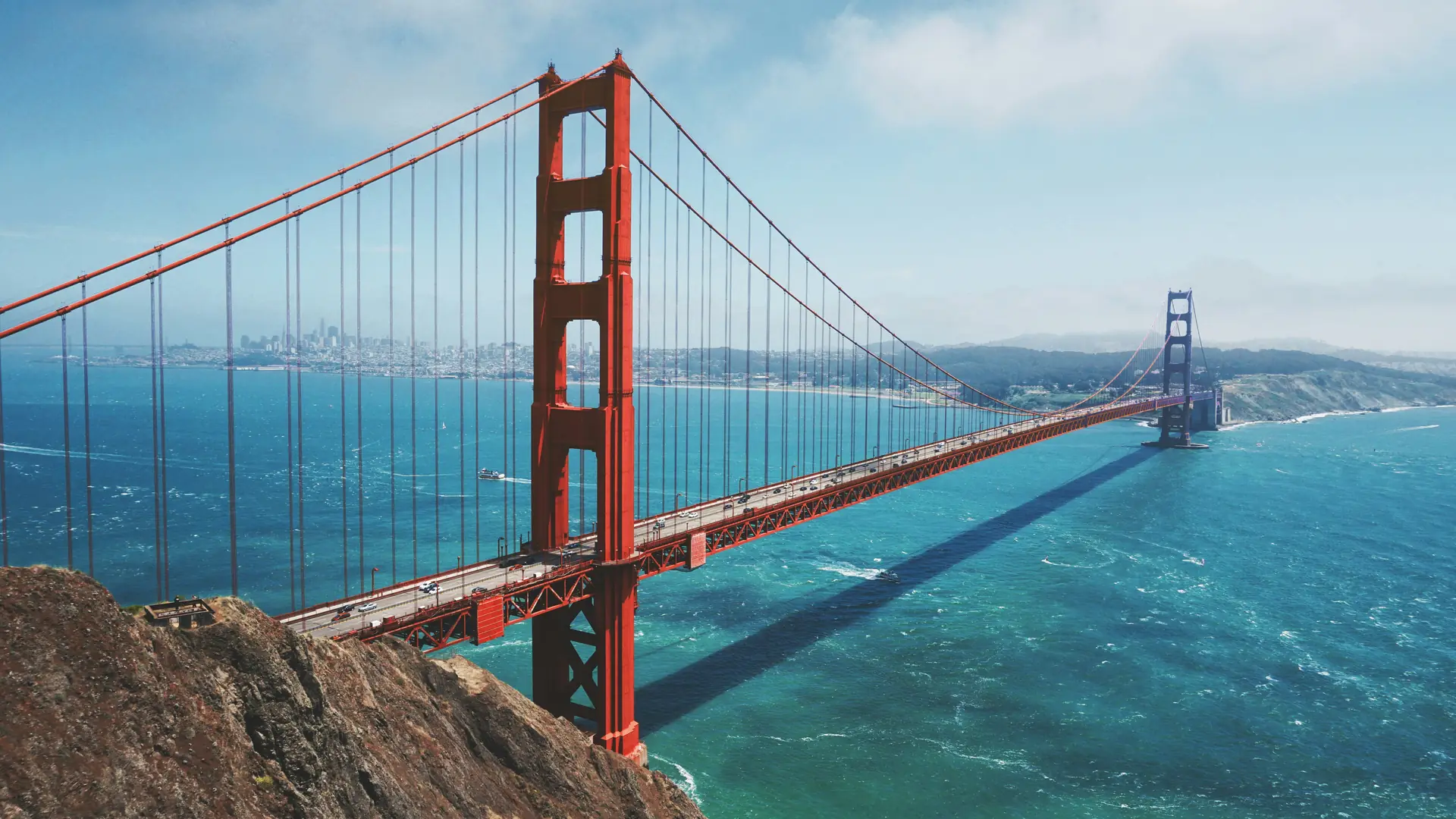
Highway 1 through Big Sur is the one on every list: 90 miles from Carmel to San Simeon over Bixby Bridge, with the ocean on one side and the Santa Lucia range on the other, best ridden southbound for the shoulder and the views. Closer to San Francisco, the Marin Headlands loop over the Golden Gate Bridge and the Paradise Loop through Tiburon are the local classics, and the 17-Mile Drive at Pebble Beach is the easy day.
Where are California's great mountain climbs?
The Sierra passes are the summer playground: Sonora, Ebbetts, Monitor, and Carson passes in the California Alps around Markleeville, host of the Death Ride, and the Lake Tahoe loop with the climb to Spooner Summit. Mount Diablo and Mount Hamilton serve the Bay Area, Gibraltar Road above Santa Barbara is the steep one, and Palm Springs riders head up the Palms to Pines highway in winter.
Which California events should a cyclist plan around?
The Sea Otter Classic in Monterey each April is the biggest cycling festival in the country, with road, gravel, and mountain bike races. Levi's GranFondo in Sonoma County in autumn, the Tour of the Unknown Coast in Humboldt, the Death Ride in July, and the Belgian Waffle Ride in San Diego County fill out the calendar, and the Downieville Classic in the Lost Sierra is the mountain bike pilgrimage.
When is cycling season in California?
Year-round along the coast and in Southern California, where winter is the best riding weather and summer brings coastal fog mornings. The Sierra and the high passes open from late May or June through October, and inland valleys get too hot for midday riding in July and August. Fire season and smoke can close roads in late summer, so check air quality before a long day.
What is mountain biking like in California?
Marin County is where the sport started, and Mount Tamalpais still has the fire roads to prove it. Downieville's 17-mile descent, the Tahoe Rim Trail, Santa Cruz's Demonstration Forest, and the Laguna Mountains above San Diego are the marquee trails, and Northstar and Mammoth run lift-served parks in summer. Class 1 e-mountain bikes are welcome on many trails, but land managers decide case by case, so check the posted rules.
Law summaries are current as of October 2026 and are not legal advice; see the California e-bike and bicycle laws page for statutes. Trail and event details change; check the organizer or land manager before you go.